The Importance of Holding an Annual General Assembly Meeting for an Owners Association 

The Annual General Assembly (AGA) meeting is one of the most important events in the governance of an Owners Association. It provides property owners with the opportunity to review the performance of the association, discuss important matters related to the building, and make key decisions that affect the community. Holding this meeting annually ensures transparency, accountability, and proper management of the property. 

Reviewing the Association’s Performance 

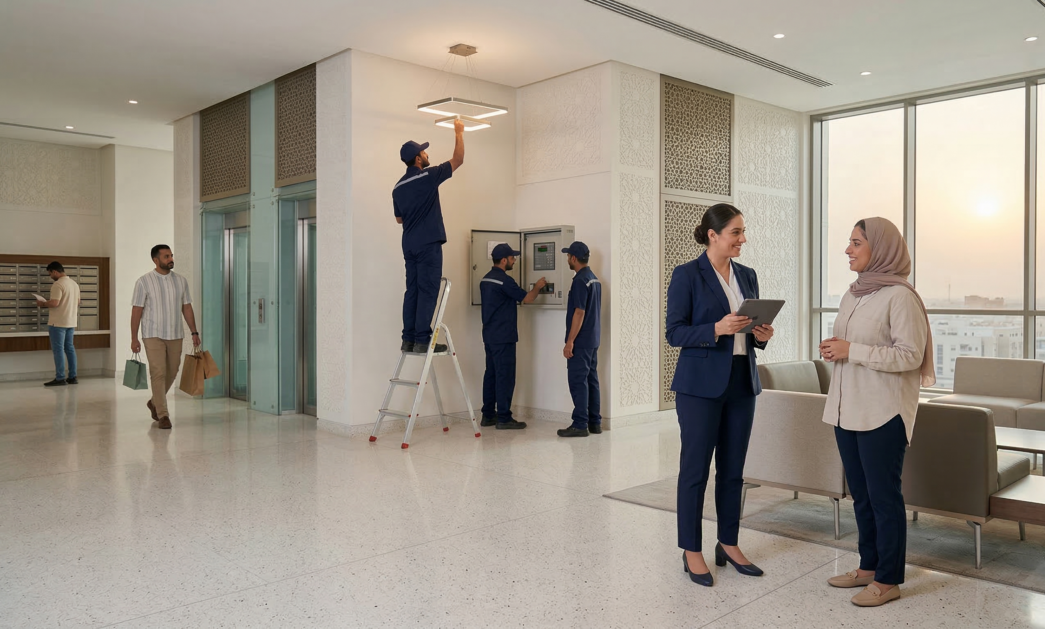
During the Annual General Assembly, owners are presented with a summary of the association’s activities over the past year. This includes reviewing maintenance work completed, operational improvements, financial performance, and any challenges that were faced. This process helps ensure that owners are informed about how the building is being managed. 

Approval of the Annual Budget 

One of the most important items discussed during the meeting is the approval of the annual budget. The budget outlines the expected expenses for the coming year, including maintenance, cleaning, security, utilities for common areas, insurance, and reserve funds for future repairs. Owners review and approve the proposed budget, which determines the service charges required to operate the building effectively. 

Financial Statements and Transparency 

The meeting also provides an opportunity to review the Owners Association’s financial statements. This allows owners to understand how funds were spent during the previous year and ensures transparency in the management of service charge funds. 

Key Decisions and Community Matters 

The Annual General Assembly is also used to discuss and approve important matters related to the building. These may include appointing or renewing service providers, discussing major maintenance or upgrade projects, reviewing community rules, and addressing issues raised by owners or residents. 

The Value of Professional Meeting Management 

Organizing and conducting an Annual General Assembly requires careful preparation, proper documentation, and structured procedures. Professional OA management company ensure that meetings are conducted in an organized and transparent manner. They prepare the agenda, present financial reports, coordinate owner participation, and record the official minutes of the meeting. 

Professional management also ensures that decisions made during the meeting are properly documented and implemented, helping the Owners Association operate efficiently and in the best interests of all property owners. 

March 12, 2026No comments
How Service Charges Are Allocated in an Owners Association Budget 

Service charges are essential for the proper operation and maintenance of jointly owned properties. These charges are collected from property owners and used to cover the costs associated with maintaining shared facilities and managing the building or community. 

What Service Charges Cover 

Service charges typically fund the day-to-day operation and maintenance of the building. These expenses often include cleaning of common areas, security services, landscaping, maintenance of elevators and building systems, utilities for shared spaces, insurance, administrative costs, and general repairs. 

A portion of the budget is also allocated to a reserve fund, which is used for major future expenses such as equipment replacement, structural repairs, or upgrades to essential building systems. 

How Service Charges Are Calculated 

In Bahrain, service charges are generally allocated based on each unit’s share of the property (SQM), often calculated according to the unit size or the ownership percentage defined in the building’s official documentation ( Title Deed). This ensures that all owners contribute fairly to the maintenance and operation of the property. 

The total budget for the building is divided among the owners according to this formula, determining the service charge amount each owner must pay annually. 

The Importance of Timely Payments 

For an Owners Association to function properly, it is essential that all owners pay their service charges on time. These payments fund the daily operation of the building and ensure that service providers such as maintenance contractors, cleaning companies, and security teams can be paid without delays. 

When some owners fail to pay their service charges, the association may face financial shortages that can affect building maintenance and operations. Delayed payments can result in postponed repairs, reduced services, or additional financial pressure on other owners. 

A properly managed budget and responsible participation from all owners are key factors in maintaining a successful and sustainable Owners Association. 

March 12, 2026No comments
Process of Forming an Owners Association in Bahrain

In the Kingdom of Bahrain, an Owners Association (OA) is a legal entity responsible for managing and maintaining common areas within jointly owned properties such as apartment buildings, residential complexes, and mixed-use developments. The formation of an Owners Association ensures proper governance, financial management, and maintenance of the property.

The process is regulated by the Real Estate Regulatory Authority (RERA) Bahrain under the framework of the Law No. 27 of 2020 on Promulgating the Real Estate Sector Regulation Law.

1. Formation of the Owners Association

Once the units are sold and registered with SLRB, the Owners Association is officially established. All unit owners automatically become members of the association.

2. Preparation of the Owners Association Documents for Formation:

  • Joint Property By Laws
  • Unit Entitlements for the entire property
  • Community rules and regulations
  • Proposed annual service charge budget
  • Board of Directors nomination forms

These documents establish how the property will be managed and how expenses will be shared among owners.

3. First General Assembly Meeting

The first meeting of owners is held to:

  • Approve the service charge budget
  • Elect the Board of Directors
  • Approve the Joint Property By Laws
  • Approve the communal rules and regulations
  • Approve the Owners Association Management Company

4. Appointment of an Owners Association Manager

The Owners Association appoints a licensed OA Manager approved by RERA. The manager is responsible for the daily operations of the building, including maintenance, financial management, vendor contracts, and compliance.

5. Registration of the Joint Property

After the First General Assembly meeting is completed a set of required documents must be submitted to RERA for review and approval. RERA will issue a registered and approved Certificate of the Established Owners Association.

6. Opening of the Association Bank Account

A dedicated bank account is created in the name of the Owners Association to collect service charges and manage operational expenses. A Reserve Fund account must also be opened to deposit reserve charges for future CAPEX expenses of the property.

With proper registration and professional management, Owners Associations play a key role in maintaining the quality and sustainability of residential communities across Bahrain.

March 11, 2026No comments
Key Responsibilities of the Board of Directors in an Owners Association

The Board of Directors is elected by the Owners to represent the interests of all property owners within the association. Their role is essential in ensuring the building or community operates smoothly, remains financially stable, and maintains its long-term value.

Below are the key responsibilities typically handled by the Board of Directors:

1. Managing the Common Areas

One of the primary responsibilities of the board is overseeing the maintenance and management of all common areas. This includes facilities such as lobbies, elevators, corridors, parking areas, swimming pools, landscaping, and other shared amenities. The board ensures these areas are properly maintained, safe, and functioning efficiently.

2. Financial Management and Budgeting

The board is responsible for the financial health of the Owners Association. This includes preparing the annual budget, monitoring expenses, and ensuring that service charges collected from owners are used appropriately. They also oversea major expenditures, manage reserve funds for future repairs, and ensure financial transparency.

3. Enforcing Community Rules and Regulations

To maintain harmony within the building or community, the board enforces the rules and regulations outlined in the Joint Property By Laws. These rules may relate to property use, noise levels, parking, renovations, and general conduct within common areas.

4. Appointing and Supervising the Owners Association Management Company

Many Owners Associations appoint an Owners Association management company to handle day-to-day operations. The board is responsible for selecting, supervising, and evaluating the performance of this company. They ensure the management team delivers services efficiently and in line with the association’s objectives.

6. Representing the Interests of Owners

Board members act as representatives of all owners in the building or development. They make decisions in the best interests of the entire community and communicate important updates, financial reports, and operational matters to owners.

7. Compliance with Local Regulations

Owners Associations in Bahrain must comply with regulations governing jointly owned properties. The board ensures that the association follows applicable legal requirements, maintains proper records, and operates according to the governing documents of the association.

A well-functioning board, supported by professional OA management Company, is key to maintaining a successful and sustainable residential community.

March 11, 2026No comments
What Happens If a Building Does Not Form an Owners Association in Bahrain?

In Bahrain the establishment and regulation of Owners Associations falls under the framework of Real Estate Regulatory Authority (RERA), in accordance with Law No. 27 of 2020. However, some developments delay or fail to establish a functioning association, which can create several operational and financial challenges.

1. Lack of Structured Building Management

Without an Owners Association, there is no formal body responsible for managing the building’s shared facilities. Decisions about cleaning, security, repairs, and facility upgrades may be made inconsistently or not at all. This often leads to lack of maintenance at the property causing deterioration and drop in market value.

2. Poor Maintenance of Common Areas

Common areas require regular maintenance to remain safe and functional. Elevators, lighting, parking areas, landscaping, and safety systems all need proper oversight. Without an Owners Association coordinating maintenance contracts and service providers, these areas can quickly deteriorate, affecting both residents’ quality of life and the overall appearance of the building.

3. Financial and Service Charge Issues

Owners Associations typically collect service charges from all unit owners to cover building expenses such as utilities for common areas, security services, insurance, and maintenance. Without a formal system in place, collecting these funds can become difficult. Some owners may refuse to contribute, resulting in insufficient budgets for essential repairs or services. Over time, this can lead to larger financial problems and disputes among owners.

4. Lower Property Value and Investment Appeal

Well-managed buildings tend to maintain their value over time. When a building lacks a properly functioning Owners Association, maintenance may suffer and operational standards may decline. This can reduce the attractiveness of the property to potential buyers or investors, ultimately affecting resale values and rental demand.

5. Regulatory and Legal Complications

Buildings that do not establish an Owners Association may face compliance issues with Bahrain’s real estate regulations. Since associations play a key role in managing jointly owned properties, their absence can create complications when dealing with regulatory requirements, licensing, and property management responsibilities.

Forming an Owners Association is a critical step for any jointly owned building in Bahrain. It ensures clear management, proper financial planning, and consistent maintenance of shared facilities.

If you would like guidance on establishing or managing an Owners Association, professional OA management services can help ensure your building operates efficiently and remains fully compliant with Bahrain’s real estate regulations.

March 11, 2026No comments