Blog Left Sidebar

The Importance of Clean and Renovated Units in a Building 

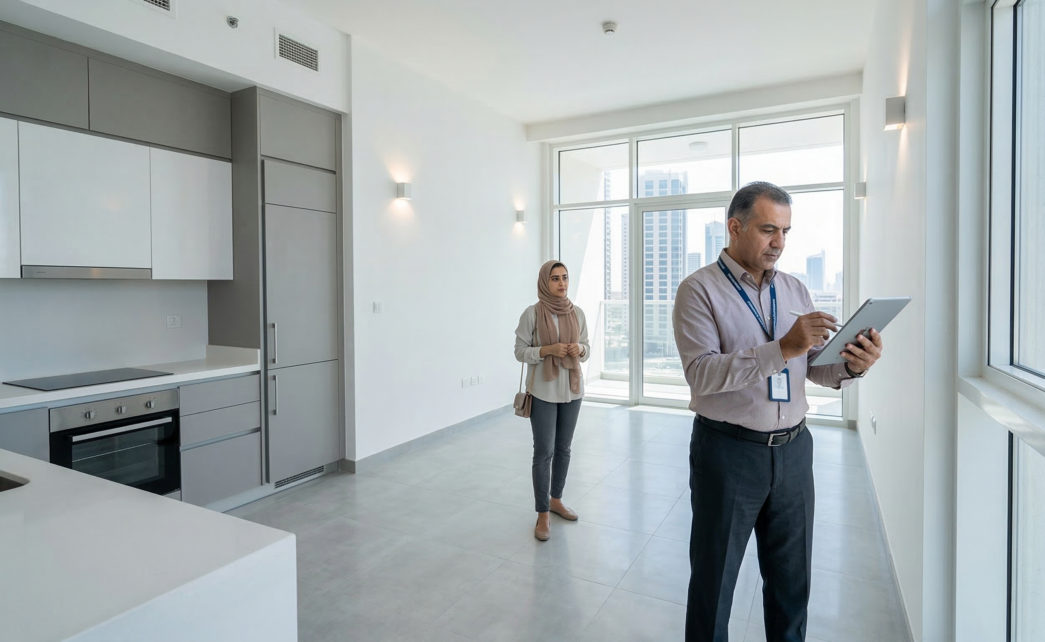
The condition of rental units plays a major role in attracting and retaining quality tenants. Clean, well-maintained, and renovated apartments not only create a strong first impression but also increase the likelihood that potential tenants will choose the property over competing options. 

First Impressions Matter 

When prospective tenants view a unit, their decision is often influenced within the first few minutes. A clean and freshly renovated apartment immediately signals that the property is professionally managed and well cared for. Bright spaces, fresh paint, modern fixtures, and spotless interiors help tenants imagine themselves living comfortably in the unit. 

Faster Leasing and Higher Demand 

Properties that maintain clean and updated units tend to rent faster. Tenants are naturally drawn to apartments that feel modern, functional, and move-in ready. Renovated units also stand out in property listings and viewings, helping buildings attract more interest and reduce vacancy periods. 

Higher Property Value and Rental Potential 

Renovated units can justify higher rental prices and improve the overall value of the property. Updated kitchens, bathrooms, flooring, and lighting not only improve the living experience but also make the property more competitive in the rental market. 

Attracting Quality Tenants 

Well-maintained units attract responsible tenants who appreciate a clean and comfortable living environment. Tenants who move into a property that is properly maintained are also more likely to take care of the unit during their tenancy. 

Enhancing the Building’s Reputation 

A building known for clean and well-presented apartments develops a strong reputation in the market. Positive tenant experiences lead to word-of-mouth recommendations, repeat tenants, and a stronger long-term occupancy rate. 

Keeping units clean and renovated is an essential part of successful property management. By presenting apartments in excellent condition, property owners can attract more tenants, reduce vacancy periods, and maintain the long-term value and reputation of the building. 

March 17, 2026No comments
The Importance of Tenant Screening and Move-In / Move-Out Inspections 

Proper tenant screening and thorough property inspections are essential parts of professional property management. These processes help protect the property, reduce financial risk, and create a clear and transparent relationship between landlords and tenants. 

Tenant Screening 

Selecting the right tenant is the first step in protecting a rental property. A proper screening process typically includes verifying identification, employment, income, and previous rental history. Careful screening helps ensure that tenants are reliable and able to meet their rental obligations, reducing the risk of late payments, lease violations, or property damage. 

Move-In Inspections 

A move-in inspection documents the condition of the property before a tenant moves in. Property managers record the state of the unit, including walls, floors, appliances, and fixtures, often supported by photos and written reports. This ensures both the landlord and tenant clearly agree on the property’s condition at the start of the lease. 

Move-Out Inspections 

When the tenant leaves, a move-out inspection is conducted to compare the current condition of the property with the original move-in report. This helps identify any damages beyond normal wear and tear and ensures that any necessary repairs or security deposit deductions are handled fairly. 

Proper tenant screening and detailed inspections protect the property, reduce disputes, and help maintain the long-term value of the investment. These steps are key to ensuring a smooth and professional rental experience for both landlords and tenants. 

March 17, 2026No comments
The Role of a Property Manager: Day-to-Day Responsibilities 

A professional property manager plays a critical role in ensuring that a property operates smoothly, remains well-maintained, and provides a positive experience for owners, tenants, and residents. Daily, property managers handle a wide range of responsibilities that keep buildings functioning efficiently and protect the long-term value of the property. 

Daily Operations and Building Oversight 

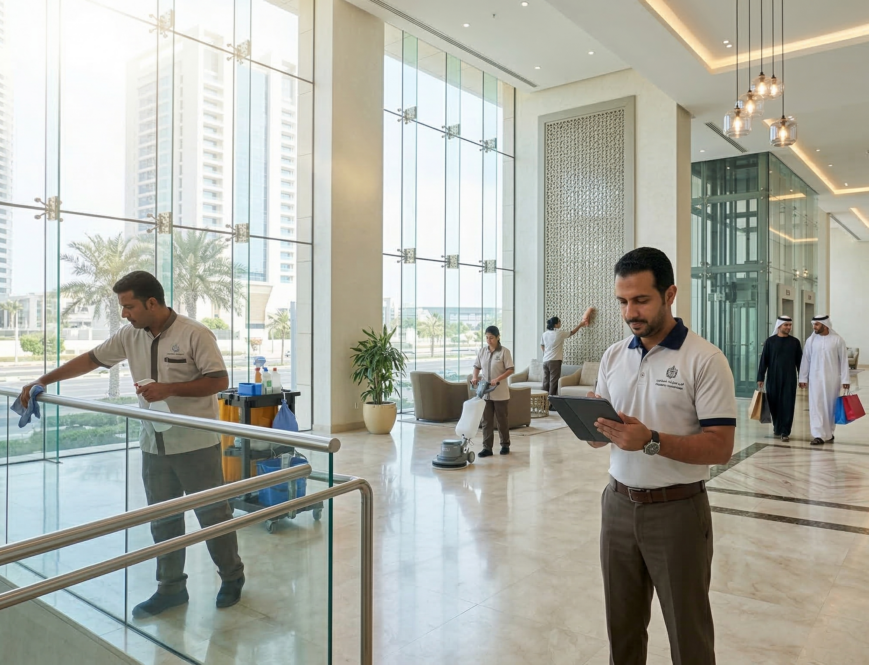
One of the key daily responsibilities of a property manager is overseeing the overall operation of the property. This includes conducting routine inspections of common areas, ensuring that facilities such as elevators, lighting, parking areas, and building systems are functioning properly. 

Maintenance Coordination 

Property managers regularly coordinate with maintenance teams and contractors to address repairs and service requests. Whether it is arranging plumbing repairs, electrical work, cleaning services, or landscaping, the property manager ensures that issues are resolved quickly and efficiently. 

Communication with Owners and Residents 

A large part of a property manager’s day involves communication. Property managers respond to resident inquiries, address complaints, and provide updates to property owners. Clear and prompt communication helps maintain positive relationships and ensures that residents feel supported and informed. 

Financial Administration 

Managing the financial aspects of a property is another important daily responsibility. This may include monitoring rental payments, processing invoices from contractors, managing operational expenses, and ensuring that the property operates within the approved budget. 

Vendor and Contractor Management 

They ensure that services are delivered according to agreed standards and that contracts are properly managed. 

Compliance and Documentation 

Property managers must also ensure that the property complies with local regulations, safety requirements, and insurance obligations. Maintaining proper documentation, service records, and operational reports is an essential part of the daily administrative tasks. 

Problem Solving and Emergency Response 

Unexpected issues can arise at any time in a building. A property manager must be ready to respond quickly to emergencies such as maintenance failures, safety concerns, or tenant issues.  

Ensuring Resident Satisfaction 

Ultimately, one of the main goals of a property manager is to ensure that residents and tenants are comfortable and satisfied with the building they live or work in. By maintaining high service standards and addressing concerns promptly, property managers contribute to creating a well-managed and harmonious community. 

March 17, 2026No comments
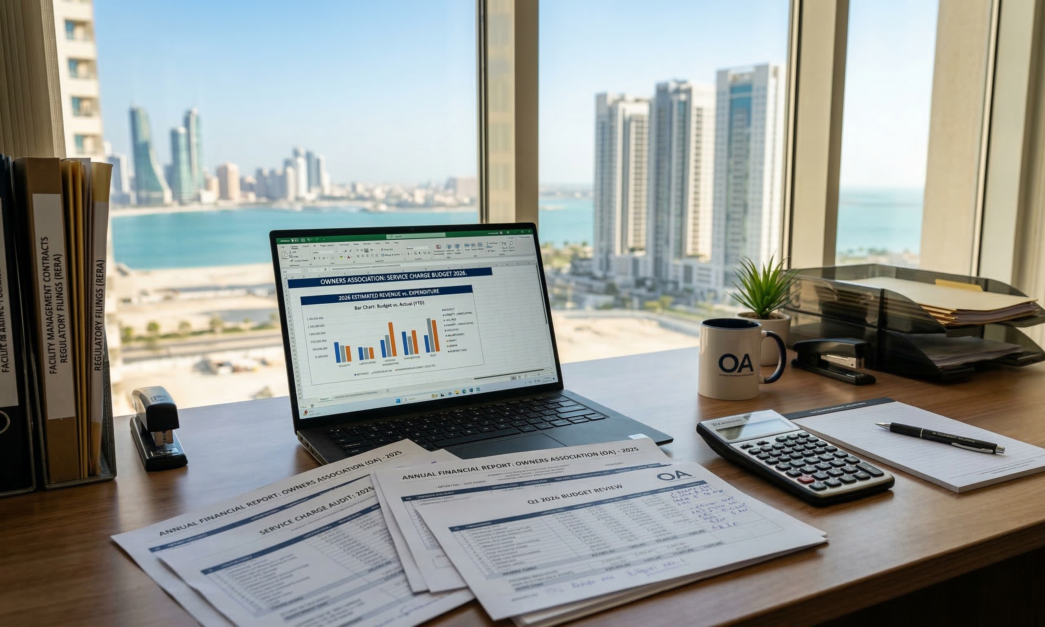
The Importance of a Proper Annual Budget for an Owners Association 

A well-prepared annual budget is essential for the smooth operation of an Owners Association. The budget determines how service charges are allocated and ensures that the building has sufficient funds to cover maintenance, utilities, security, cleaning, insurance, and other shared expenses. 

A proper budget allows the association to plan ahead and maintain the property at the required standard. It also helps set aside reserve funds for major future repairs such as elevator replacements, equipment upgrades, or structural maintenance. Without proper planning, buildings may face unexpected costs that can place financial pressure on owners. 

Risks of an Incorrect Budget 

If the annual budget is not prepared correctly, the Owners Association can face serious challenges. Underestimating expenses can lead to financial shortfalls, delayed maintenance, and unpaid service providers. This often results in the deterioration of the building and dissatisfaction among residents. 

On the other hand, overestimating costs may result in unnecessarily high service charges, which can create disputes between owners and reduce trust in the management of the association. 

Why Professional Budgeting Matters 

Preparing an accurate budget requires a clear understanding of building operations, maintenance cycles, and long-term repair planning. Professional OA management company has the experience to evaluate the building’s needs, forecast expenses accurately, and ensure that service charge funds are used efficiently. 

By hiring a professional company to prepare and manage the annual budget, Owners Associations benefit from better financial planning, cost control, and transparency. 

Ultimately, a properly prepared budget helps protect the building’s condition, ensures smooth operations, and safeguards the long-term value of the property for all owners. 

March 12, 2026No comments
The Role of an Owners Association Manager  

For property owners in Bahrain, professional Owners Association management ensures that buildings are maintained to high standards, costs are controlled, and communities remain well organized and attractive for residents and investors alike. 

An Owners Association Manager acts as the operational arm of the Owners Association and its Board of Directors. Their primary responsibility is to manage the day-to-day activities of the building and community while ensuring that common areas, facilities, and services operate efficiently. 

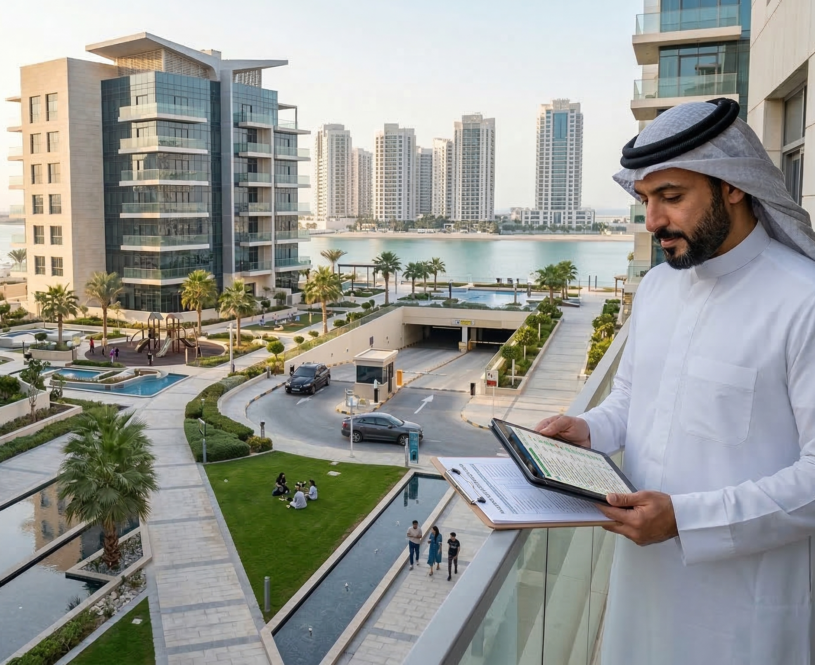
One of the key responsibilities of an Owners Association Manager is overseeing daily operations. This includes coordinating cleaning, security, landscaping, and maintenance services. The manager ensures that shared facilities such as elevators, parking areas, swimming pools, and common spaces are functioning properly and are well maintained. By managing service providers and contractors, the manager helps maintain a safe and comfortable environment for residents. 

Another important role is financial management. Owners Associations rely on service charges paid by property owners to fund building operations and maintenance. The manager assists in preparing the annual budget, monitoring expenses, and ensuring that funds are allocated properly. They also help with service charge collection and provide financial reports to the Board of Directors, ensuring transparency and accountability in how funds are used. 

Property maintenance and asset protection are also central to the role. Regular inspections, preventive maintenance, and timely repairs help prevent larger issues and preserve the long-term value of the property. An experienced Owners Association Manager will coordinate maintenance schedules and ensure that contractors perform work according to agreed standards. 

Communication is another critical aspect of the role. The Owners Association Manager serves as the main point of contact between the Board, property owners, residents, and service providers. They handle inquiries, assist in resolving issues, and help ensure that community rules are respected. 

Ultimately, the role of an Owners Association Manager is to provide professional management that protects property value and improves the quality of living for residents. By managing operations, finances, and maintenance effectively, the manager supports the long-term success and sustainability of the Owners Association. 

March 12, 2026No comments

Enjoying our services? Leave a review!

★★★★★ Loading…
Write a review