Commercial property management in Bahrain refers to the professional management of income-generating real estate assets such as office buildings, retail spaces, warehouses, and mixed-use developments. The goal is simple: maximize return on investment while ensuring smooth day-to-day operations.
At Impact Estate we handle everything from tenant relations and leasing to maintenance, budgeting, and compliance. In Bahrain, this also includes adherence to regulations set by the Real Estate Regulatory Authority (RERA), ensuring that properties are managed legally and efficiently.
With the growing competitiveness of Bahrain’s real estate market, commercial property management is no longer optional—it is essential. Owners who rely on professional management benefit from higher occupancy rates, improved tenant quality, reduced operational costs, and stronger long-term asset performance.
Managing a rental unit involves several important responsibilities to ensure the property remains profitable, well-maintained, and occupied by reliable tenants. A professional property manager handles the daily operations on behalf of the owner, making property ownership easier and more efficient.
Marketing and Leasing
A property manager markets the unit, arranges viewings, and promotes the property to potential tenants. The goal is to minimize vacancy and secure suitable tenants as quickly as possible.
Tenant Screening
Proper tenant screening is essential. Property managers review identification, employment status, and rental history to ensure that tenants are reliable and financially stable.
Lease Management
Property managers prepare and manage lease agreements, ensuring that all terms and conditions are clear and compliant with local regulations.
Rent Collection and Financial Reporting
Collecting rent on time is a key responsibility. Property managers also keep financial records and provide owners with reports on rental income and expenses.
Maintenance and Repairs
Property managers coordinate maintenance and repairs to ensure the unit remains in good condition and any issues are resolved quickly.
Tenant Communication
They act as the main point of contact for tenants, handling inquiries, maintenance requests, and day-to-day communication.
Protecting the Owner’s Investment
By managing tenants, maintenance, and finances, a property manager helps protect the property’s value and ensures it remains a stable and profitable investment.
For property owners, owning a unit is not just about collecting rent—it is about protecting and growing an investment. Proper unit management ensures that the property remains well-maintained, financially stable, and attractive to tenants. Whether you own a single apartment or multiple units, professional management plays a key role in maximizing your property’s long-term value.
Protecting the Condition of the Property
One of the main benefits of effective unit management is maintaining the condition of the property. Regular inspections, preventive maintenance, and prompt repairs help prevent minor issues from turning into expensive problems.
Consistent Rental Income
Reliable rental income is essential for any property investment. Unit management ensures that rent is collected on time and that any payment issues are handled quickly and professionally. Proper financial tracking and reporting also allow owners to monitor the performance of their property and plan for future expenses.
Tenant Screening and Placement
Finding the right tenants is one of the most important aspects of successful property management. A thorough tenant screening process helps ensure that tenants are financially stable and responsible. This reduces the risk of late payments, property damage, and tenant disputes, creating a smoother rental experience for both owners and tenants.
Managing Tenant Communication
Handling tenant requests, maintenance issues, and day-to-day communication can be time-consuming for property owners. Unit management services take care of these responsibilities, ensuring that tenants receive prompt assistance while allowing owners to focus on other priorities.
Increasing Property Value
A professionally managed unit attracts better tenants, maintains higher occupancy rates, and retains its market value. Proper management also ensures that the property remains competitive in the rental market by keeping units clean, well-maintained, and ready for new tenants.
Peace of Mind for Owners
Ultimately, unit management gives property owners peace of mind. Knowing that the property is being professionally managed ensures that maintenance, tenant relations, and financial matters are handled efficiently. For owners, proper unit management is not just a convenience—it is a key factor in protecting their investment and ensuring long-term success in the property market.
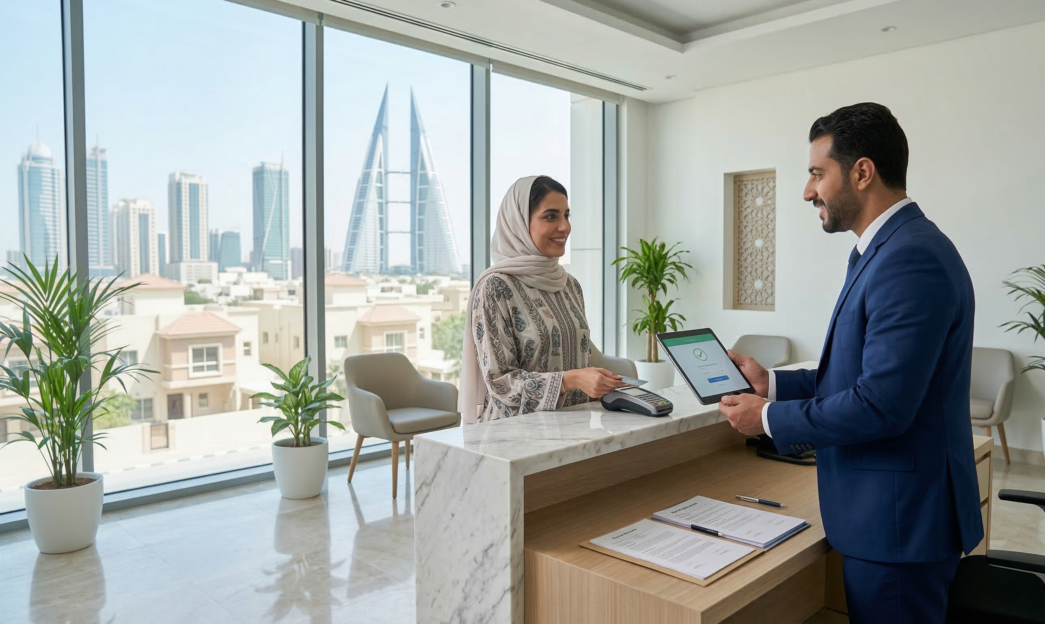
Timely rental collection and accurate financial reporting help ensure that a property operates smoothly while giving landlords full transparency over their investment.
The Importance of On-Time Rental Collection
Consistent and on-time rental collection is essential for maintaining the financial stability of a property. Rental income is often used to cover important expenses such as building maintenance, service contracts, utilities, and operational costs.
When rent is collected on time, property managers can ensure that all obligations are met without delays. It also helps maintain a stable cash flow, allowing landlords to properly plan for maintenance, improvements, and future investments. A professional property management system also ensures that tenants understand their payment obligations and that any late payments are addressed promptly and professionally.
Financial Planning and Stability
Reliable rental income allows landlords to manage their properties more effectively. With predictable cash flow, owners can budget for repairs, upgrades, and long-term improvements that help maintain or increase the value of the property.
The Importance of Financial Reports
Clear and detailed financial reports are an essential tool for landlords. These reports provide a transparent overview of the property’s financial performance, including rental income, operating expenses, maintenance costs, and overall profitability.
Regular financial reporting helps landlords track how their property is performing and ensures that all income and expenses are properly recorded. It also allows owners to make informed decisions about budgeting, investments, and property improvements.
Transparency and Accountability
Professional financial reporting ensures full transparency between property managers and landlords. It builds trust and gives property owners confidence that their property is being managed responsibly and efficiently.
Timely rental collection and accurate financial reporting are key components of effective property management. Together, they ensure financial stability, provide transparency to property owners, and support the long-term success and value of the property investment.
Effective property management plays a crucial role in protecting property value, ensuring resident satisfaction, and maintaining the long-term financial health of a building or community. Whether managing residential buildings, commercial properties, or mixed-use developments, professional property management ensures that operations run smoothly and efficiently.
1. Financial Management and Budgeting
One of the most important responsibilities of a property manager is maintaining strong financial control. This includes preparing annual budgets, managing service charge collections, monitoring expenses, and ensuring financial transparency. Proper budgeting allows buildings to operate efficiently while ensuring funds are available for maintenance, repairs, and future capital improvements.
2. Maintenance and Asset Preservation
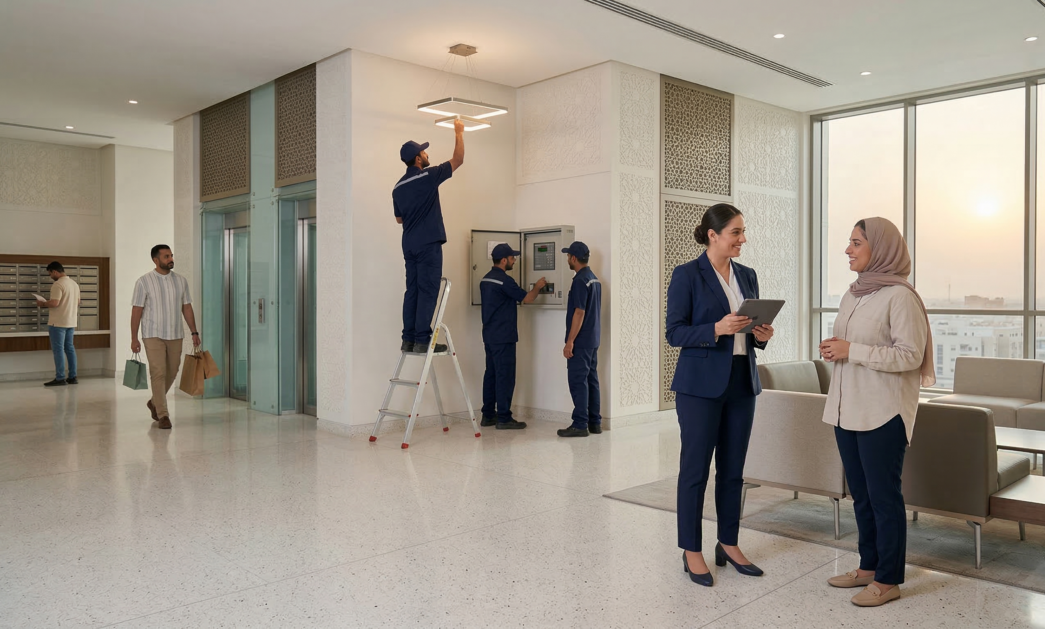
Regular maintenance is essential to protect the value of a property. Good property management ensures that all building systems—such as elevators, plumbing, electrical systems, and common areas—are properly maintained. Preventive maintenance programs help identify issues early, reducing costly repairs and extending the lifespan of the building’s assets.
3. Clear Communication with Owners and Residents
Strong communication is a cornerstone of successful property management. Property managers must maintain clear and consistent communication with property owners, tenants, and residents. Providing updates, responding to concerns promptly, and ensuring transparency builds trust and helps create a positive living environment.
4. Legal and Regulatory Compliance
Property managers must ensure that buildings comply with all local regulations and legal requirements. This includes safety regulations, building standards, insurance requirements, and governance structures.
5. Efficient Vendor and Contractor Management
Effective contract management ensures services are delivered to a high standard while keeping costs under control.
6. Community and Resident Experience
Beyond the operational aspects, good property management focuses on creating a safe, well-organized, and comfortable environment for residents and tenants. Clean common areas, responsive management, and well-maintained facilities contribute to higher resident satisfaction and stronger property value.
7. Long-Term Planning and Asset Strategy
Successful property management is not only about day-to-day operations—it also involves planning for the future. This includes building reserve funds, planning major repairs or upgrades, and implementing strategies that enhance the long-term value of the property.