
Effective property management plays a crucial role in protecting property value, ensuring resident satisfaction, and maintaining the long-term financial health of a building or community. Whether managing residential buildings, commercial properties, or mixed-use developments, professional property management ensures that operations run smoothly and efficiently.
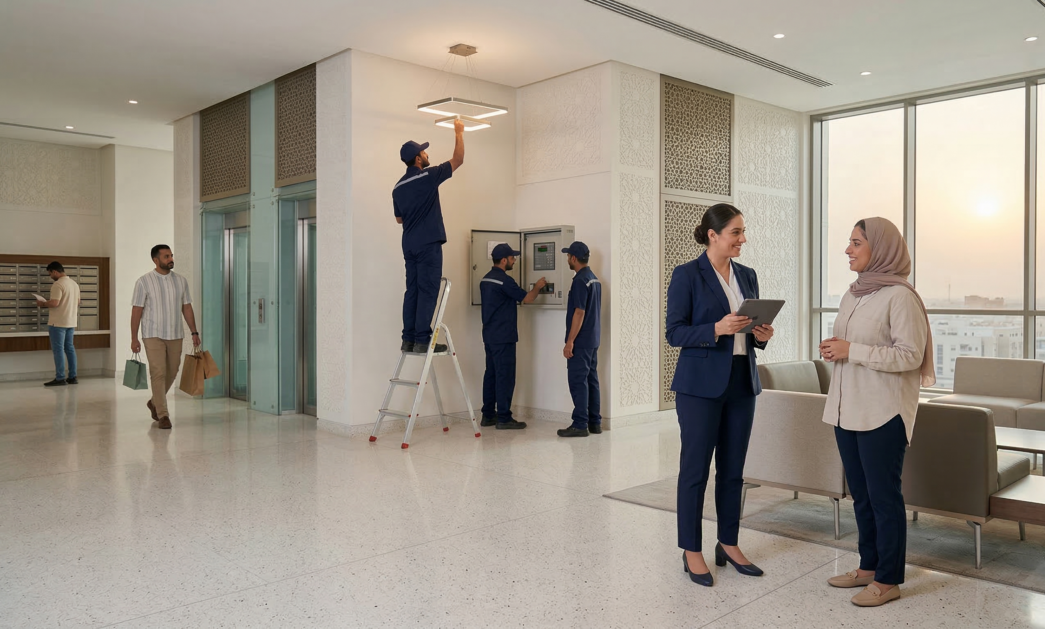
1. Financial Management and Budgeting
One of the most important responsibilities of a property manager is maintaining strong financial control. This includes preparing annual budgets, managing service charge collections, monitoring expenses, and ensuring financial transparency. Proper budgeting allows buildings to operate efficiently while ensuring funds are available for maintenance, repairs, and future capital improvements.
2. Maintenance and Asset Preservation
Regular maintenance is essential to protect the value of a property. Good property management ensures that all building systems—such as elevators, plumbing, electrical systems, and common areas—are properly maintained. Preventive maintenance programs help identify issues early, reducing costly repairs and extending the lifespan of the building’s assets.
3. Clear Communication with Owners and Residents
Strong communication is a cornerstone of successful property management. Property managers must maintain clear and consistent communication with property owners, tenants, and residents. Providing updates, responding to concerns promptly, and ensuring transparency builds trust and helps create a positive living environment.
4. Legal and Regulatory Compliance
Property managers must ensure that buildings comply with all local regulations and legal requirements. This includes safety regulations, building standards, insurance requirements, and governance structures.
5. Efficient Vendor and Contractor Management
Effective contract management ensures services are delivered to a high standard while keeping costs under control.
6. Community and Resident Experience
Beyond the operational aspects, good property management focuses on creating a safe, well-organized, and comfortable environment for residents and tenants. Clean common areas, responsive management, and well-maintained facilities contribute to higher resident satisfaction and stronger property value.
7. Long-Term Planning and Asset Strategy
Successful property management is not only about day-to-day operations—it also involves planning for the future. This includes building reserve funds, planning major repairs or upgrades, and implementing strategies that enhance the long-term value of the property.
Comments are closed here.